


Why the Ground is Shaking in Volcano Village (And Why That’s a Good Thing)
The red dots on your earthquake app aren't a warning to leave—they're a signal to get ready. Here is how to read the geology like a local.

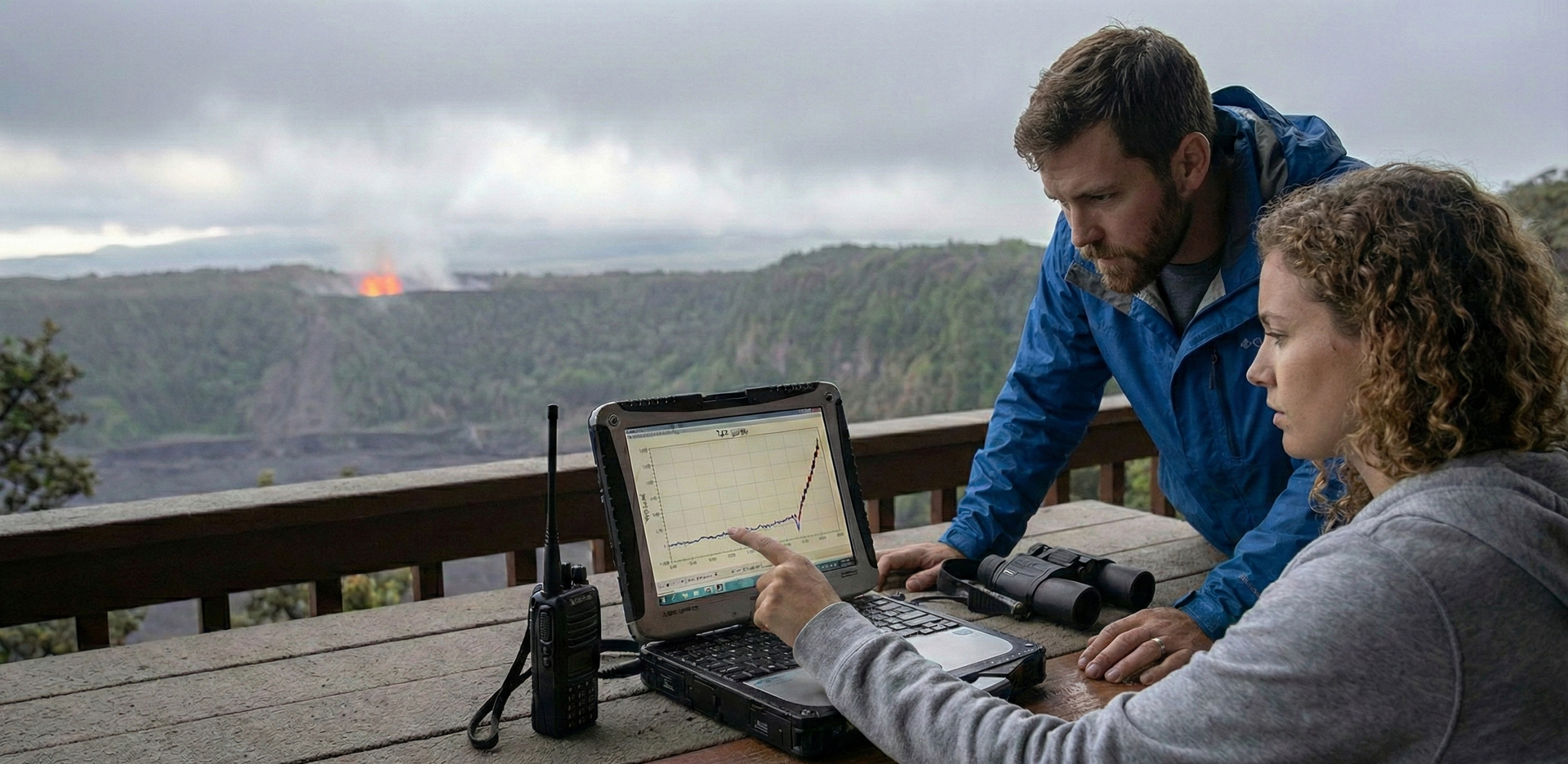
If you have checked the USGS app or any earthquake tracker on your phone recently, you might see a cluster of red dots near Kīlauea summit.
For the average tourist, seeing a swarm of earthquakes looks terrifying. For us at the Basecamp, it’s the dinner bell.
The "Balloon" Analogy
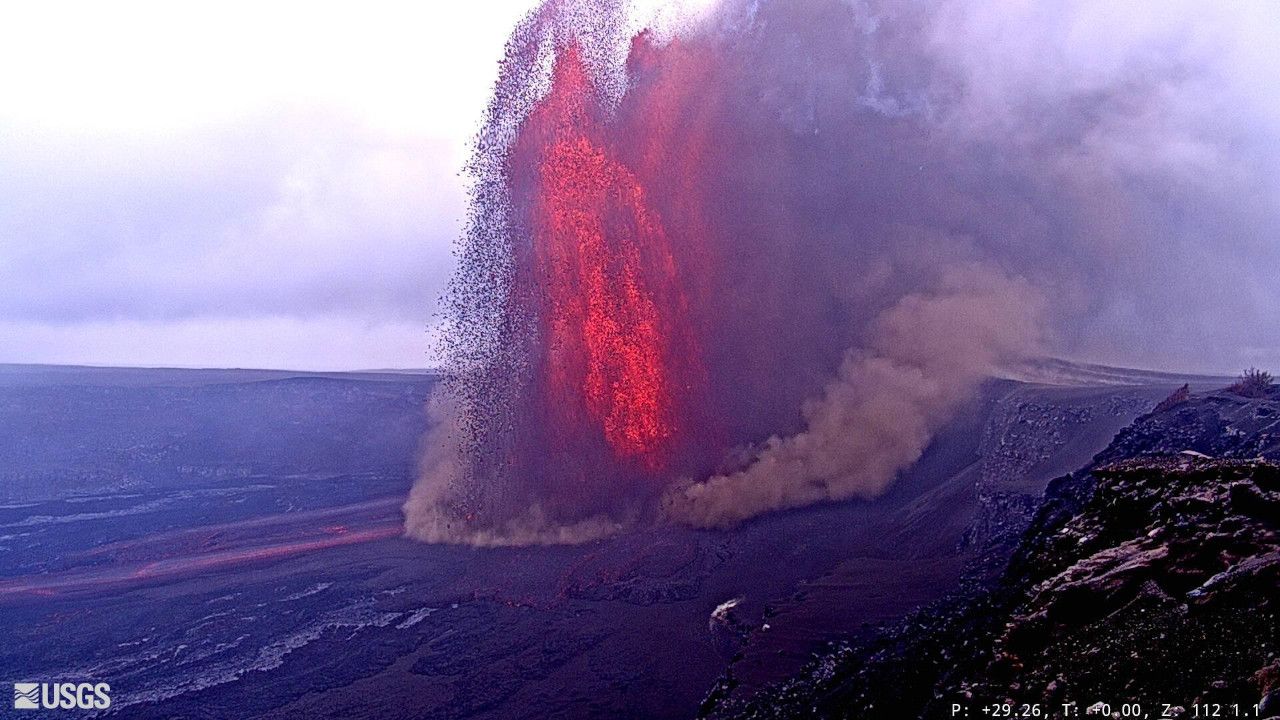
To understand why we get excited when the ground shakes, you have to understand how Kīlauea breathes. The USGS calls the current phase "inflation."
Think of the volcano like a giant, rigid balloon buried under miles of rock. When the eruption pauses, magma from deep within the earth rushes up to refill that balloon. As the chamber swells, it stretches the surrounding rock, causing little pops and cracks.
Those pops are the earthquakes you see on the map.
Why "Swams" Are Good News
The recent activity described by geologists—short bursts of small earthquakes 1.5 to 4 miles deep—isn't the ground falling apart. It’s the system pressurizing.
When it’s quiet, it’s refueling. When the earthquakes cluster like this, it means the tank is getting full. It’s the earth’s way of announcing that the next episode is loading.
Safe Viewing from the Rainforest
We get asked constantly: "Is it safe?"
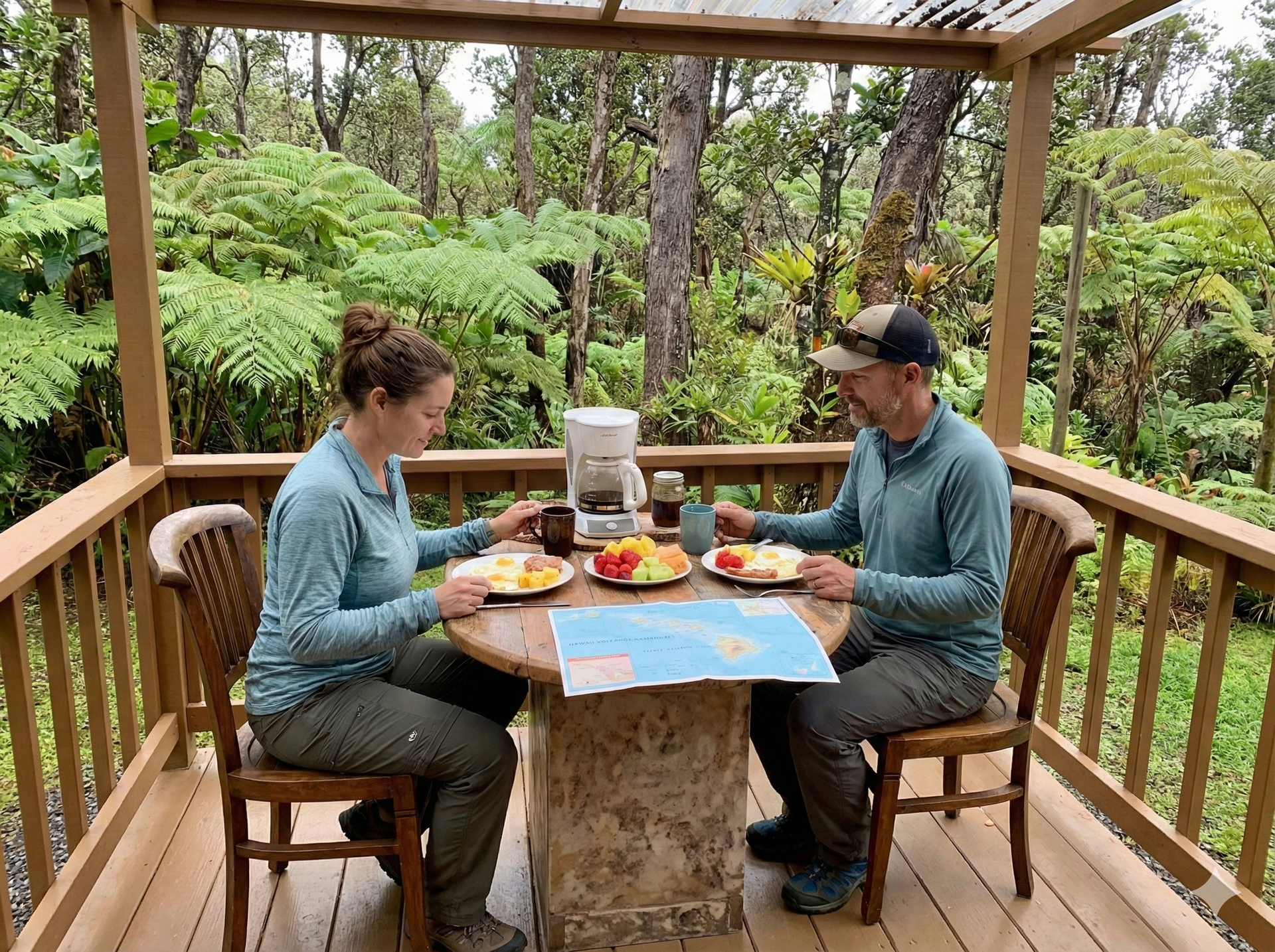
These quakes are deep underground and centered squarely under the National Park crater, not under the Village. This is the safe, vibrating pulse of the planet. There is no better place to feel the raw power of geology than right here, safely perched in the rainforest, waiting for the release.
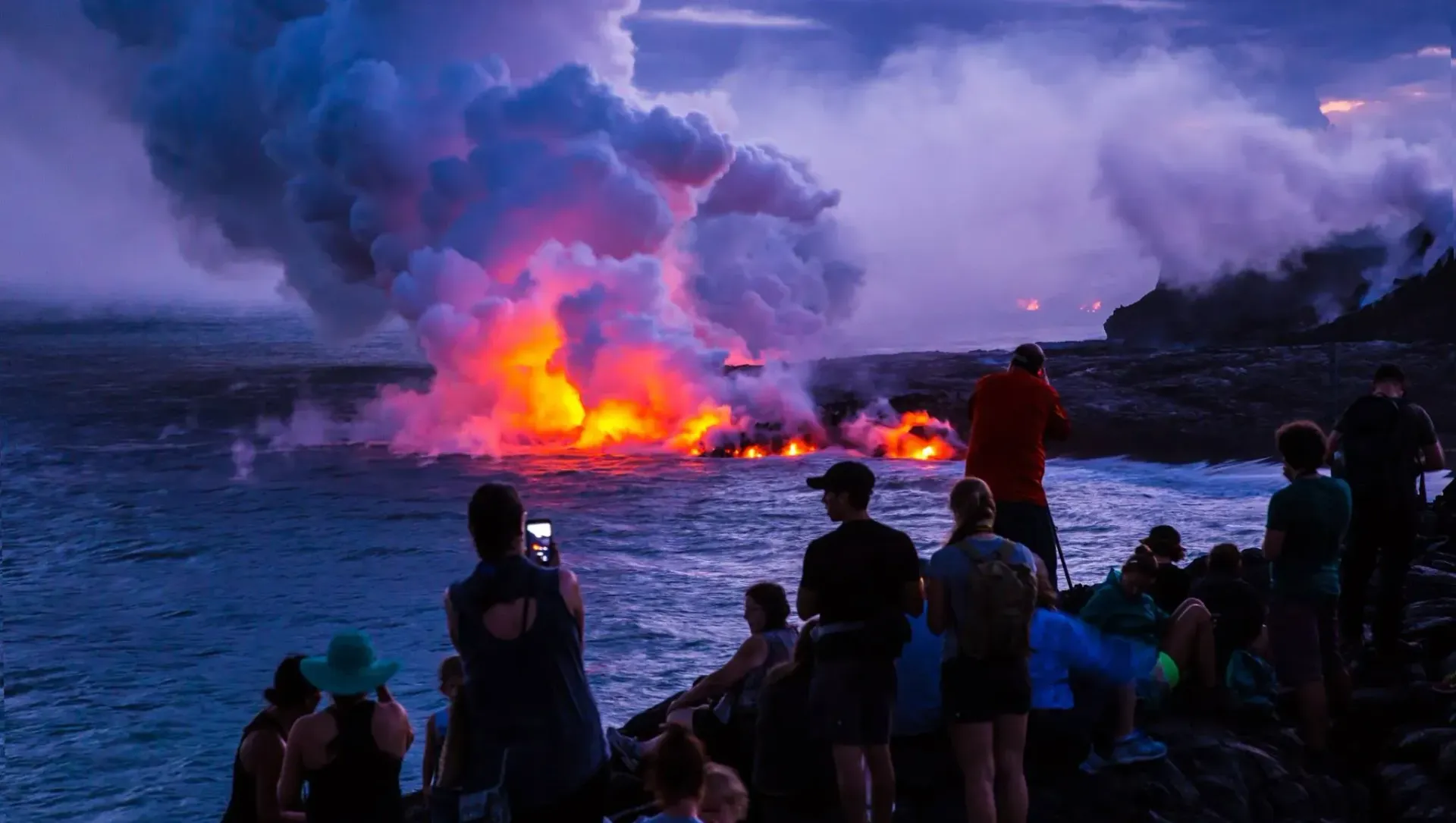
Don't fear the shake. Track it. It means the show is about to start.
Volcano Village & Beyond